
Main takeaway
Consumers are managing inflationary pressures while some restaurant brands begin building traffic momentum.
Consumer snapshot
- Inflation: Spiked to 3.3% in March, the highest reading in two years (CNBC)
- Sentiment: Decreased across political parties, income levels, age groups, and education levels (University of Michigan)
- Jobs: Grew by 178,000 more than expected, reversing the February decline (CNBC)
- Fertilizer: Costs rose 31% as one-third of global supply travels through the Strait of Hormuz (The Week in Charts)
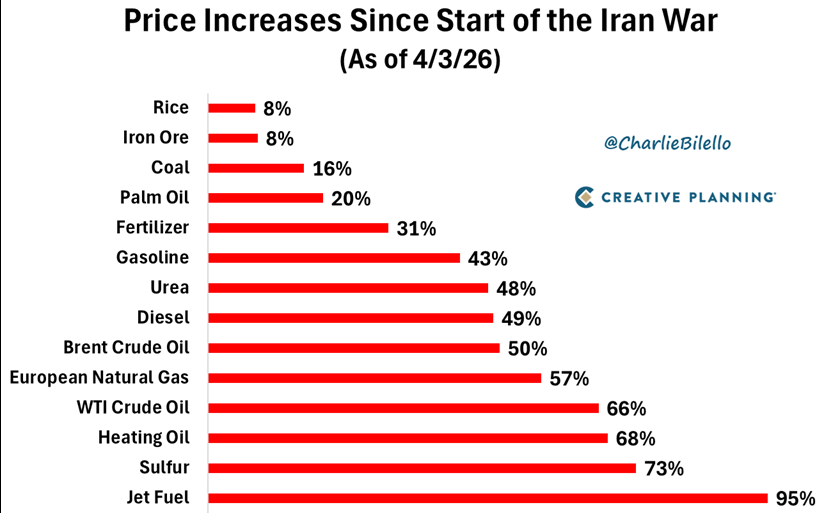
Quantiiv's take: Any consumer confidence regained in 2025 has been wiped out in recent weeks. There are long-term inflationary risks to food costs driven by fertilizer and energy price increases that restaurants should track.
Industry news and earnings
- Industry: In Q1 2026, restaurant net sales grew 2.1% while traffic decreased 0.6% year over year (Revenue Management Solutions)
- Starbucks: Reported strong North American same-store sales of 7.1%, driven by 4.4% traffic growth (Starbucks)
- Chipotle: Grew traffic by 0.6%, ultimately driving 0.5% same-store sales growth (Chipotle)
- Wingstop: U.S. same-store sales decreased 8.7%, driven by transaction declines (Wingstop)
Quantiiv's take: The industry is showing early signs of stabilization, but performance is still diverging. In a cautious consumer environment, restaurants must nurture traffic momentum by elevating perceived value for new and returning customers.
This caught my eye: Do Pepsi's price cuts boost sales?
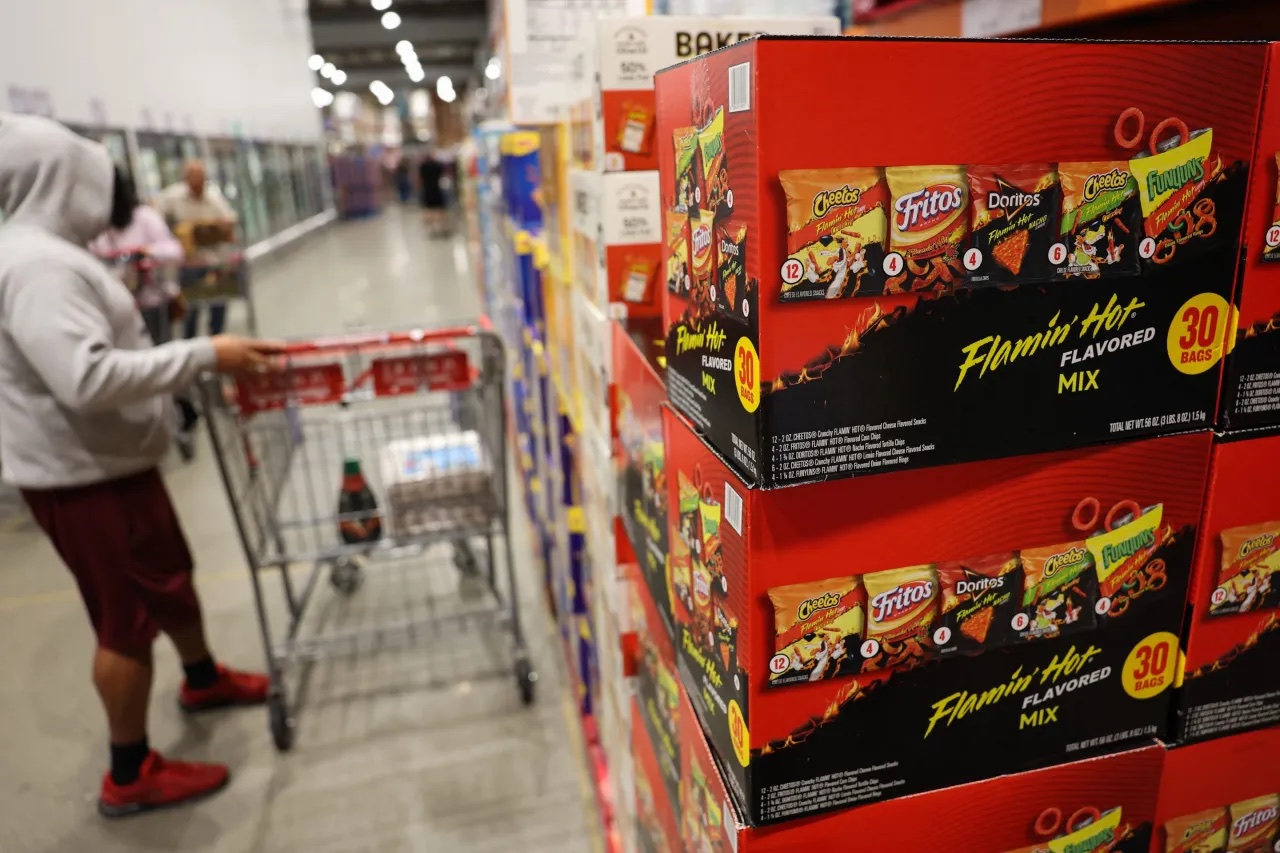
Pepsi's Q1 earnings results received significant coverage, with Fortune's headline reading, "Food companies are finally cutting prices. PepsiCo shows it's worth it." But is it?
Most media outlets suggest that the 15% price reduction in Pepsi's food division was the primary driver of the 8.5% revenue increase. A decomposition of revenue growth tells a different story:
- Of the 8.5% revenue growth, 3.4% came from foreign currency and 2.5% came from acquisitions and divestitures, leaving only 2.6% from organic growth
- The beverage category reported 9% revenue growth
- Food revenue grew 2%, with a 2% increase in volume despite 15% price decreases on targeted items
- Pepsi outlined food division initiatives to drive innovation through new flavors and improved product quality
Despite the headlines, a 15% price decrease yielding only a 2% volume increase is unlikely to be the primary performance driver. More time is needed to measure customer response, despite the media's over-eager victory lap.
Beyond potential financial impacts, there are long-term behavioral effects Pepsi will need to manage. After a price decrease, consumers anchor to the lower price and begin to expect it. This creates outsized sensitivity when Pepsi needs to raise prices in the future, potentially creating a larger problem.
Quantiiv's take: Pepsi is making the right investments in food innovation and quality. This should strengthen its value equation, increasing consumers' willingness to pay. The long-term behavioral impacts of the price decrease will be important to monitor.