
Main takeaway
Consumer behavior is evolving. Restaurants that adapt to changing occasions, lifestyles, and consumer priorities will be best positioned to earn traffic in an increasingly competitive environment.
Consumer snapshot
- Inflation: Rose above 4%, driven by higher energy prices, and remains well above the Fed's 2% target (BLS)
- Jobs: May job growth more than doubled expectations, marking a third straight month of gains with unemployment holding steady (Joint Economic Committee)
- Sentiment: Early June data showed consumer confidence improving as gas prices began to ease (University of Michigan)
- Wage growth: Inflation outpaced wage growth for the second consecutive month
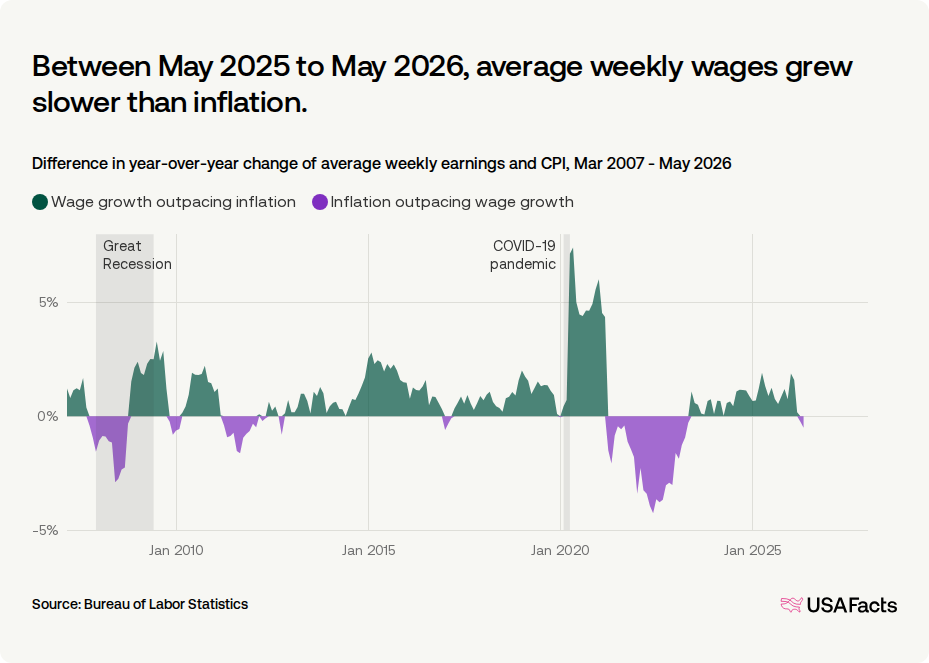
Quantiiv's take: Consumers may be feeling more optimistic, but a renewed wave of inflation is once again eroding purchasing power. Expect spending decisions to remain selective, making pricing discipline and customer analytics increasingly important.
Industry news and earnings
- Industry: May QSR net sales increased 2.3% year over year, despite traffic declining 1.6% (Revenue Management Solutions)
- Dave & Buster's: Q1 same-store sales fell 5.4% as management cited high gas prices and weak consumer sentiment (MarketBeat)
- Jersey Mike's: Ended Chick-fil-A's 11-year reign as the top-rated QSR brand, scoring one point higher on the American Customer Satisfaction Index (Naples Daily News)
- Darden: Q4 earnings beat expectations, but revenue missed as strong casual dining performance partially offset continued softness in fine dining (CNBC)
Quantiiv's take: The industry continues to grow, but traffic remains difficult to earn. As consumers become more selective, restaurants that understand who their customers are and what they value will have a competitive advantage.
This caught my eye: Is fro-yo back in style at $30 a cup?
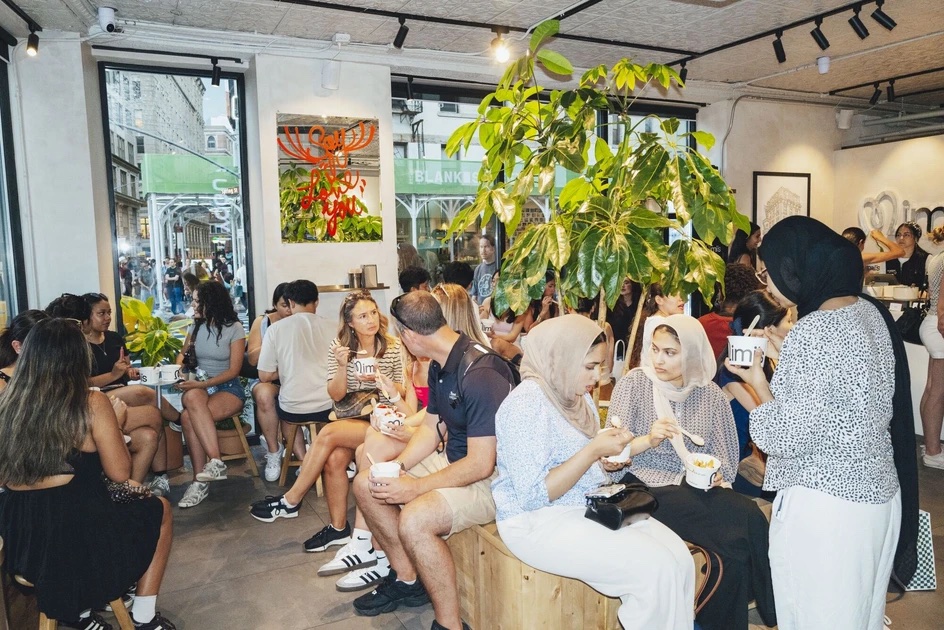
Gen Z has become one of the restaurant industry's most sought-after customer segments. The challenge is that they prioritize their spending differently than the generations before them.
Instead of looking for a meal, Gen Z is looking for an occasion. They are drinking less alcohol, prioritizing health and wellness, and seeking experiences that fit their lifestyle. More than anything, they are looking for places to connect with friends that feel social, intentional, and worth sharing.
That may help explain one of the more surprising restaurant trends of the year. According to Circana, frozen yogurt servings increased 26% year over year in March, with nearly all of that growth driven by Gen Z consumers.
This is not the self-serve fro-yo boom of the early 2010s. Brands like Mimi's, Birdie's, and Myka & Mythos have reinvented the category by replacing endless topping bars with curated menus of specialty flavors and house-made toppings. The experience feels more premium, more personalized, and more intentional, helping drive average tickets approaching $30.
Just as importantly, the stores themselves have become part of the product. Bright interiors, thoughtfully designed spaces, and highly Instagrammable aesthetics transform frozen yogurt from a dessert stop into a destination.
For Gen Z, frozen yogurt checks nearly every box. It is customizable. It feels like a healthier indulgence than traditional desserts. It offers a social alternative to meeting over drinks. Most importantly, it creates an occasion that feels worth paying for.
Quantiiv's take: Frozen yogurt is not growing because consumers suddenly crave tart dessert. Gen Z is rewarding brands that align with their lifestyle and create occasions worth paying for. Restaurants that understand the occasions their customers are trying to fulfill will be in the strongest position to earn traffic.